
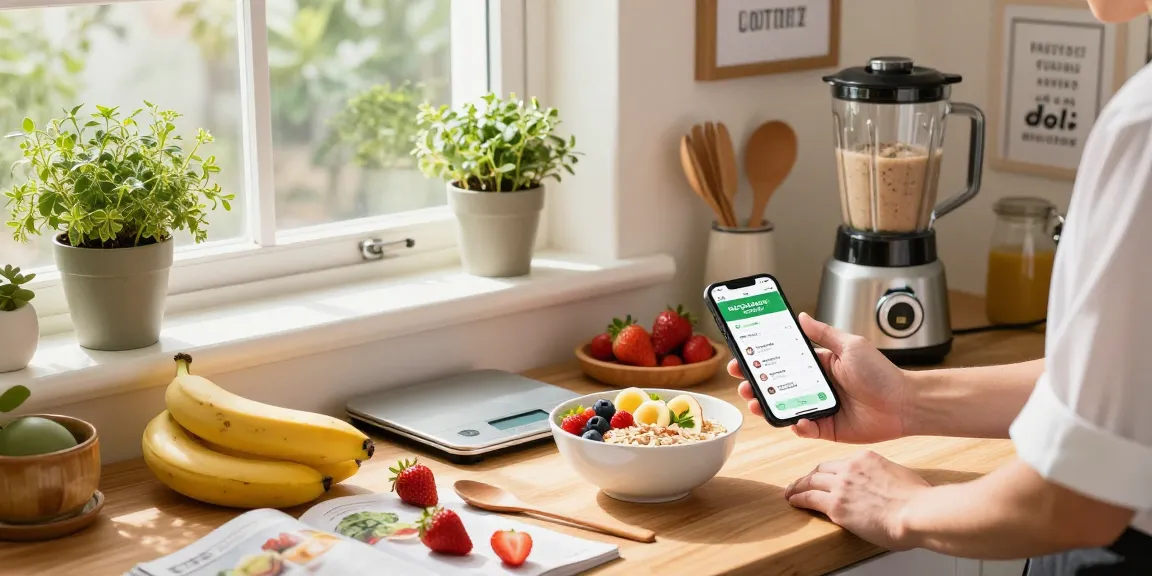
Understanding the Best Calorie Tracking App
With the rise of health consciousness in society, food tracking apps have emerged as essential tools for anyone looking to manage their diet, fitness goals, and overall well-being. In 2026, the landscape of these applications has evolved, and many users are seeking the best calorie tracking app to fit their specific needs. Understanding what defines an effective calorie tracker is crucial for making informed decisions that align with personal health ambitions. This article will explore the features that set the best apps apart and provide comprehensive insights into the top contenders for this year.
What Defines an Effective Calorie Tracker?
An effective calorie tracker is characterized by its accuracy, user-friendliness, and the ability to cater to individual dietary needs. Key elements include:
- Database Quality: A high-quality food database ensures that users can easily find nutritional information about their meals. Verified entries are more reliable than sheer volume.
- User Interface: The best apps feature intuitive designs that simplify the logging process, minimizing the time and friction involved in tracking meals.
- Customization: Personalization options allow users to set goals, whether it’s weight loss, muscle gain, or simply maintaining a balanced diet.
- Feedback Mechanisms: The best apps provide actionable insights into users’ dietary patterns, helping them stay accountable and informed.
Key Features to Look For in 2026
As technology continues to advance, food tracking apps are integrating more features to enhance user experience and accuracy. Here are some key features to watch for:
- AI-Assisted Logging: Many apps now offer AI capabilities that allow users to log their meals through photos, with sophisticated algorithms to estimate calorie counts.
- Macro and Micro Tracking: Users benefit from detailed tracking of macronutrients (carbs, proteins, fats) as well as micronutrients (vitamins, minerals), which can impact overall health.
- Integration with Wearable Devices: Syncing with fitness trackers can provide a holistic view of a user’s health, allowing for real-time data on calorie expenditure.
- Meal Planning and Recipe Features: Built-in meal planning resources and nutritional recipes can provide additional support for users aiming to reach their goals.
Top Contenders for the Best Calorie Tracking App
After extensive testing and evaluation, several apps have emerged as top contenders in 2026:
- Welling: This app shines with AI features, offering a unique photo logging system along with personalized meal suggestions based on dietary preferences.
- Cronometer: Renowned for its accuracy, Cronometer focuses on micronutrient tracking, making it ideal for those who require detailed nutritional insights.
- MacroFactor: A unique feature of MacroFactor is its ability to adapt based on individual energy expenditure, providing a tailored experience for users.
- YAZIO: With a vibrant user interface, YAZIO offers numerous meal-planning resources to help maintain a balanced diet.
- Lifesum: Lifesum combines design with functionality, providing a visually appealing way to monitor caloric intake and nutritional quality.
- Carb Manager: Specifically tailored for low-carb and ketogenic diets, this app includes a comprehensive library of low-carb recipes and macros.
How Calorie Tracking Apps Can Aid Weight Loss
Calorie tracking apps are pivotal tools in the journey toward weight loss. By clearly monitoring caloric intake and expenditure, users can make informed decisions that lead to effective weight management.
Research Behind Caloric Tracking and Weight Management
Studies indicate that individuals who track their food intake tend to lose more weight than those who do not. This is because tracking creates a conscious awareness of eating habits, which can lead to healthier choices and portion control. Moreover, most calorie tracking apps provide insights into users’ eating patterns, helping identify areas for improvement.
Common Misconceptions About Calorie Counting
Despite its benefits, calorie counting is often misunderstood. Some users believe that simply tracking calories will guarantee weight loss; however, they may overlook the importance of food quality and nutritional balance. A common misconception is that all calories are equal; understanding the differences between nutrient-dense foods and empty calories is crucial for achieving long-term health goals.
Case Studies: Success Stories Using Apps
Many users report significant improvements in their health and fitness levels after incorporating calorie tracking apps into their routines. For example, Sarah, a 34-year-old mother of two, documented her weight loss journey using Cronometer. By focusing on micronutrient intake alongside calorie tracking, she not only lost weight but also improved her energy levels and overall wellness.
Comparing Popular Apps in 2026
With many options available, it is essential to compare popular food tracking apps based on key metrics such as usability, feature sets, and accuracy.
App Comparisons: Features, Usability, and Accuracy
Generally, the best apps offer a blend of user-friendliness and comprehensive nutritional data. For instance, Welling’s AI capabilities make meal logging quick and efficient, while Cronometer excels in providing detailed nutritional information. Users should consider which features align most closely with their personal goals when selecting an app.
User Ratings and Feedback Insights
Public feedback offers valuable insights into app performance. For instance, Lifesum users frequently commend the app for its intuitive design and ease of use, while MacroFactor users appreciate the adaptive calorie counting based on individual performance. Checking user ratings on app stores can provide an additional layer of understanding about each app’s strengths and weaknesses.
Visualizing Data: Charts and Tracking Tools
Effective data visualization tools can enhance the user experience by making it easy to understand progress over time. The best apps employ graphs and charts to illustrate nutritional intake, making it easier for users to see trends and adjust accordingly. Cronometer, for example, offers detailed charts that track both caloric intake and nutrient levels.
Choosing the Right App for Your Goals
Ultimately, the best calorie tracking app is one that suits your individual needs and lifestyle. With various choices on the market, it’s vital to assess what features matter most to you.
Assessing Your Personal Needs and Preferences
Consider factors such as dietary restrictions, preferred tracking methods (manual vs. AI), and whether you want added features like meal planning or exercise tracking. By understanding what you need in a food tracker, you can narrow down your options effectively.
Questions to Ask Before Downloading
Before committing to a particular app, ask yourself:
- What are my dietary goals?
- Do I prefer a simple interface or more advanced features?
- Is it important for me to track micronutrients?
- Do I want my app to integrate with wearable fitness devices?
The Future of Food Tracking: Emerging Trends
Looking ahead, we can expect more innovations in food tracking technology. Trends such as enhanced AI capabilities, augmented reality meal logging, and even gamification of calorie tracking will likely shape the future landscape. These advancements aim to make food tracking not only more effective but also more engaging for users.
FAQs About Calorie Tracking Apps
How Accurate are Calorie Counting Apps?
The accuracy of calorie counting apps can vary significantly based on the quality of their food databases and the methods they employ in tracking. Apps like Cronometer are noted for their reliability due to verified entries.
Can AI Improve Caloric Tracking Accuracy?
AI-powered tracking solutions have shown promise in enhancing accuracy by using machine learning to recognize foods and predict caloric values based on user data. However, human verification is still essential for the best results.
Are There Any Free Options for Tracking Calories?
Many calorie tracking apps offer free versions, but they may come with limitations in features or require in-app purchases for full functionality. It’s essential to explore these options to find the right fit without a financial commitment.
Why is Food Database Quality Important?
A well-maintained and accurate food database is crucial for effective calorie tracking. Without it, users may log incorrect nutritional data, undermining their tracking efforts and potentially leading to poor dietary decisions.
How Can I Ensure I’m Using the App Effectively?
Maximize the effectiveness of your chosen calorie tracking app by logging meals consistently, reviewing trends regularly, and adapting your tracking methods based on your experiences and results.
