
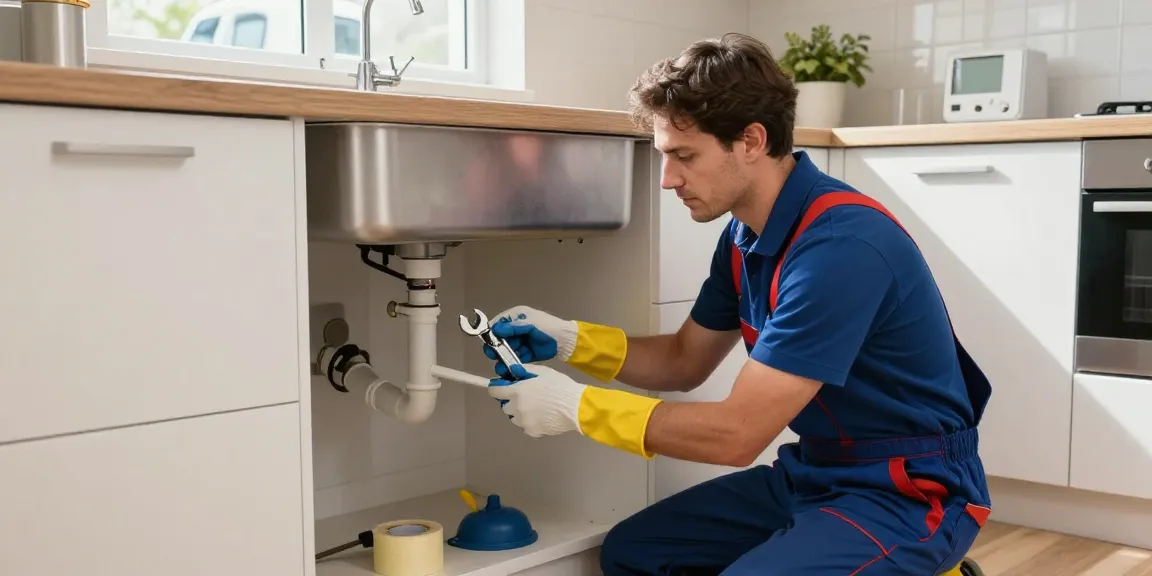
Understanding Plumbing Emergencies
Every homeowner may experience a plumbing crisis at some point, and it can be both stressful and bewildering. Understanding what qualifies as a plumbing emergency is crucial to managing your home’s plumbing system effectively. A plumbing emergency typically involves situations that require immediate attention to prevent significant damage, such as water leaks, burst pipes, or overflowing toilets. Quick action not only mitigates damage but can also save you money in costly repairs. When exploring options, learn more about reliable emergency plumbing services that can assist you in resolving these urgent issues swiftly.
What Constitutes a Plumbing Emergency?
A plumbing emergency is characterized by its potential to cause immediate and extensive damage if not addressed promptly. Common indicators include:
- Severe leaks: Water gushing from pipes or fixtures often leads to water damage and mold risks.
- Clogged drains: Particularly when they cause backups in multiple fixtures, indicating a main sewer line problem.
- Broken water heaters: Resulting in lack of hot water and potential flooding.
- Overflowing toilets: This can be messy and poses health risks.
Common Types of Plumbing Emergencies
Various emergencies can occur in residential plumbing, each with its unique set of challenges. Some of the most common include:
- Burst pipes: Often due to freezing temperatures, which can damage your home.
- Overflowing toilets: Triggered by clogs or malfunctioning valves.
- Water heater failures: Leading to leaks or insufficient hot water supply.
- Major leaks in walls or ceilings: Frequently indicating hidden pipe damage.
Immediate Actions to Take in a Plumbing Crisis
When faced with a plumbing emergency, your immediate response can significantly affect the outcome. Here are actionable steps to take:
- Shut off the water supply: Locate and close the main valve to prevent further damage.
- Assess the situation: Identify the type of emergency to inform the plumber.
- Use towels or buckets: Contain leaks and minimize water damage in the immediate area.
- Contact an emergency plumber: Ensure you have a reliable service to handle the situation.
Choosing the Right Emergency Plumbing Service
When faced with a plumbing emergency, selecting the right service is critical to ensure a swift and effective resolution. Not all services are created equal, and understanding what to look for can save you from further complications. Start by researching local emergency plumbers to find one that meets your specific needs.
Researching Local Emergency Plumbers
To find the most suitable emergency plumbing service, consider the following:
- Online searches: Look up emergency plumbers in your area, paying attention to their service offerings and credentials.
- Ask for recommendations: Family and friends can provide reliable suggestions based on their experiences.
- Compare services: Evaluate at least three companies regarding their response time, availability, and customer support.
What to Look for in a Plumbing Company
Key factors to consider when selecting a plumbing service include:
- Licensing and insurance: Verify that the company is licensed to operate in your state and carries adequate insurance.
- Experience: Consider the years of experience the company has in handling plumbing emergencies.
- Warranty on services: A good plumbing service should provide warranties on their work as a sign of quality.
Reading and Interpreting Customer Reviews
Customer reviews can offer valuable insights into a plumbing company’s reputation. Look for:
- Overall ratings: High ratings often indicate satisfied customers.
- Recent reviews: These can provide the latest information about service quality.
- Specific feedback: Comments on responsiveness, professionalism, and overall satisfaction can inform your decision.
Cost Considerations for Emergency Plumbing
Understanding the financial aspect of emergency plumbing services is essential for budgeting. Emergency situations can lead to steep costs, but knowing what to expect can help you manage expenses effectively.
Understanding Pricing Structures in Emergency Plumbing
Emergency plumbing services typically use one of two pricing structures:
- Flat-rate pricing: A fixed fee for specific services.
- Hourly rates: Charges based on the total time spent on the job, which may include additional costs for parts and equipment.
How to Get an Accurate Estimate
To receive an accurate estimate for emergency plumbing services:
- Describe the issue in detail: Providing specific information helps in getting precise quotes.
- Request a written estimate: This allows for comparison with other services.
- Inquire about additional fees: Clarify if there are any hidden fees for after-hours calls, travel, or specialized work.
When to Expect Higher Costs During Emergencies
Costs can increase dramatically during emergencies due to:
- Time of day: After-hours or weekend services may incur higher rates.
- Complexity of the job: More serious issues often require more labor and parts, increasing costs.
- Urgency of service: Immediate response requests may have higher premiums attached.
Preventive Measures to Avoid Emergencies
Preventative maintenance is vital to minimize plumbing issues. Regular checks and maintenance can help catch problems before they escalate into emergencies.
Regular Plumbing Maintenance Tips
Key practices to maintain your plumbing system include:
- Regular inspections: Have a licensed plumber assess your system at least once a year.
- Drain cleaning: Schedule professional drain cleaning to prevent clogs.
- Check water pressure: High pressures can lead to pipe damage and leaks.
Signs That Indicate Potential Issues
Being proactive means being aware of warning signs, such as:
- Low water pressure: This could indicate leaks or obstructions.
- Strange sounds: Gurgling or hissing noises coming from pipes may signal issues.
- Water discoloration: Brown or discolored water might indicate rust or contamination in the pipes.
How to Maintain Your Plumbing System
Maintenance can effectively enhance longevity. Invest in the following:
- Quality fixtures: Use durable faucets and pipes to reduce wear.
- Water softeners: These help prevent mineral buildup that can damage plumbing.
- Regular upkeep: Regular checks and cleanings can prolong the life of your plumbing system.
Future Trends in Emergency Plumbing Services
The plumbing industry is evolving with the introduction of new technologies and practices that promise to enhance service delivery. Here are some anticipated trends shaping the future of emergency plumbing services:
Innovative Technologies in Plumbing Repair
Emerging technologies are revolutionizing plumbing repairs by offering more efficient solutions, such as:
- Smart plumbing systems: Sensors can detect leaks or pressure changes and alert homeowners.
- Video inspection tools: These allow plumbers to diagnose issues without invasive measures.
- Trenchless technology: Offers less disruptive pipe repair and replacement methods.
2026 Predictions for Plumbing Industry Practices
In the coming years, we can expect:
- Increased emphasis on sustainability: Eco-friendly plumbing practices will become more prevalent.
- Enhanced customer service: Companies will focus on improved communications and quick response times.
- Advanced training programs: Plumbers will receive education on new technologies and environmental considerations.
Building Strong Relationships with Your Plumbing Provider
Establishing a strong rapport with your plumbing service can enhance your experience. Tips for nurturing this relationship include:
- Regular communication: Maintain open lines of dialogue for service reminders and updates.
- Feedback sharing: Provide insights into your experiences, both positive and negative.
- Loyalty programs: Consider signing up for programs that offer benefits for repeat customers.
What Should I Do First During a Plumbing Emergency?
Your first step should be to stop the water flow by shutting off the main valve, followed by assessing the situation and contacting a plumber.
How Can I Reduce Plumbing Emergency Risks?
Regular maintenance, prompt repairs, and awareness of potential signs can significantly reduce the likelihood of plumbing emergencies.
When Should I Call an Emergency Plumber?
Call an emergency plumber when you encounter severe leaks, clogged toilets, or any situation that poses immediate risks to your home and safety.
What Are the Typical Response Times for Emergency Services?
Most emergency plumbers aim to respond within one hour to ensure that your plumbing issues are addressed swiftly and effectively.
Can I Attempt DIY Repairs for Plumbing Emergencies?
While some minor repairs may be manageable, it’s essential to call professionals for significant issues to avoid exacerbating the problem.
