
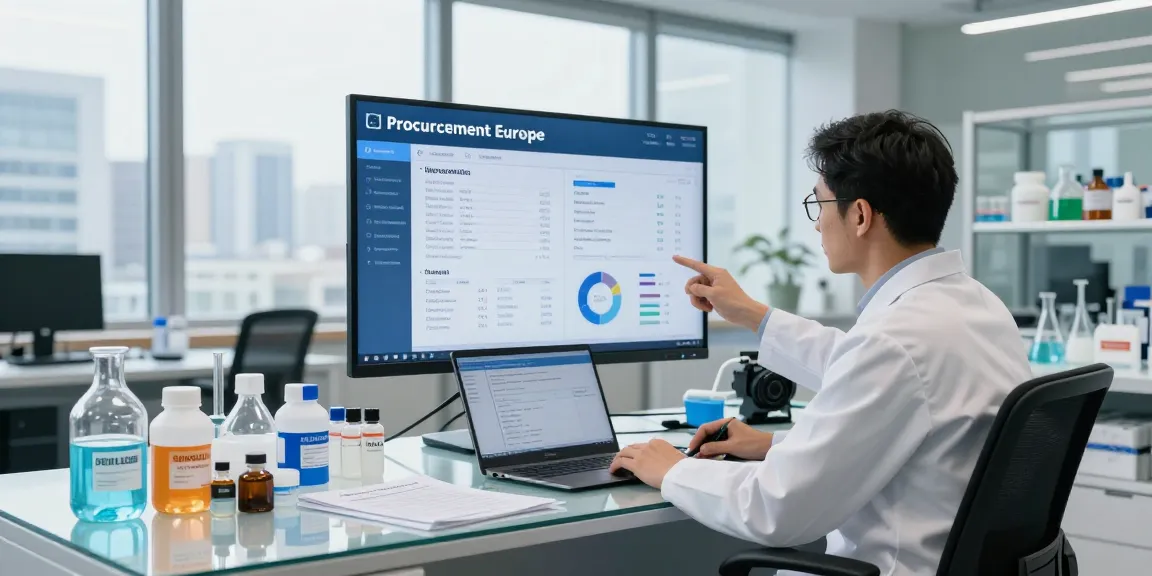
Understanding Chemical Procurement in Europe
Chemical procurement is a pivotal process that involves sourcing and buying chemical reagents and fine chemicals essential for various industries, from pharmaceuticals to manufacturing. In Europe, this sector is characterized by stringent regulations, high-quality standards, and the evolving needs of businesses that demand reliability and cost-effectiveness. With over 3000 products available, Ozon Chemical stands out as a leading supplier, providing tailored solutions for chemical procurement in Europe. Understanding the nuances of this procurement process is essential for businesses aiming to thrive in a competitive landscape.
What is Chemical Procurement and Its Importance?
Chemical procurement refers to the entire process of sourcing, buying, and managing chemicals used in production, research, and testing. It plays a crucial role in developing products that comply with industry standards while ensuring economic viability. For companies involved in sectors such as biotechnology, agriculture, and materials science, procurement is not just about acquiring substances; it is about fostering innovation and maintaining quality. Efficient procurement can lead to reduced costs, enhanced product capabilities, and improved time-to-market for new offerings.
The Role of Suppliers in the Chemical Industry
Suppliers are the backbone of the chemical procurement process, providing the necessary materials and expertise required by businesses. They ensure that products meet the regulatory standards and are delivered consistently and reliably. Collaboration with suppliers enables companies to access comprehensive resources, such as technical support and logistical services, which are crucial for ensuring seamless operations. Partnering with a capable supplier like Ozon Chemical can facilitate strategic procurement practices that cater to specific business needs.
Regulatory Compliance and Best Practices in Europe
In Europe, compliance with regulations such as REACH (Registration, Evaluation, Authorisation, and Restriction of Chemicals) is mandatory for chemical suppliers and procurers. This affects how chemicals are sourced and managed, emphasizing the need for accurate documentation and risk assessments. Adhering to these regulations not only ensures safety but also enhances the reputation of companies in the eyes of customers and partners. Businesses involved in chemical procurement Europe must prioritize compliance to minimize legal risks and foster trust.
Key Challenges in Chemical Procurement
Common Obstacles in Sourcing Chemical Reagents
Despite the potential benefits, companies often face challenges in chemical procurement. Accessibility to high-quality chemical reagents can be hindered by market volatility, supply chain disruptions, and geopolitical factors. Additionally, not all suppliers can guarantee the level of quality required for sensitive applications. Overcoming these challenges requires robust market research and a proactive approach to supplier management.
Addressing Quality Control Issues
Ensuring the quality of chemical products is paramount, particularly in industries like pharmaceuticals and food processing, where safety standards are incredibly strict. Quality control issues can arise from inadequate testing or unverified sources. Companies must implement stringent quality assurance protocols, including supplier audits and product testing, to maintain the integrity of their supply chain.
Managing Supplier Relationships Effectively
Strong supplier relationships are essential for achieving procurement success. Effective communication, regular feedback, and collaboration on product specifications can enhance operational efficiency. Businesses should consider establishing long-term partnerships with suppliers who can adapt to changing needs and provide insights into market trends.
Strategies for Effective Chemical Procurement
Developing a Robust Procurement Plan
A detailed procurement plan is critical for achieving procurement goals. This plan should outline the types of chemicals needed, supplier qualifications, and budget constraints. By aligning procurement strategies with broader business objectives, companies can ensure that they are sourcing chemicals that will support their operational success.
Leveraging Technology for Procurement Optimization
Technology plays an integral role in modernizing chemical procurement processes. E-procurement tools, data analytics, and supply chain management software can streamline purchasing activities, track orders, and enhance transparency. By leveraging these technologies, businesses can improve efficiency, reduce costs, and gain greater visibility into their procurement activities.
Negotiation Techniques for Competitive Pricing
Negotiation is an essential skill in procurement, particularly when dealing with multiple suppliers. Companies should approach negotiations with clear objectives and a thorough understanding of market pricing. Building competitive pressure by inviting quotes from multiple suppliers can lead to more favorable terms and pricing options.
Measuring Success in Chemical Procurement
Key Performance Indicators (KPIs) to Track
To evaluate the effectiveness of procurement strategies, companies must track key performance indicators (KPIs). Metrics such as cost savings, order accuracy, supplier performance, and lead times provide valuable insights into procurement efficiency. Regularly analyzing these KPIs allows organizations to identify areas for improvement and optimize their procurement processes.
Continuous Improvement Strategies
Continuous improvement is crucial in procurement. This can involve regular reviews of supplier performance, customer feedback, and industry trends. Companies can adopt methodologies such as Six Sigma or Lean to refine their procurement processes and eliminate inefficiencies.
Case Studies of Successful Chemical Procurement
Examining case studies of successful procurement initiatives offers valuable lessons. For instance, a global pharmaceutical company may have implemented an integrated supplier management system resulting in a 20% reduction in procurement costs and enhanced product quality. Such examples can serve as inspiration for companies striving to enhance their procurement practices.
Future Trends in Chemical Procurement for 2026 and Beyond
Impact of Sustainability on Chemical Sourcing
Sustainability is becoming a key consideration in procurement strategies. As environmental regulations tighten and consumer demand for sustainable practices increases, companies must adapt their sourcing strategies accordingly. This includes evaluating suppliers based on their sustainability practices and considering green chemistry alternatives wherever possible.
Emerging Technologies in Procurement Processes
The evolution of technology presents new opportunities for enhancing procurement efficiencies. Artificial Intelligence (AI), machine learning, and blockchain are transforming how companies source chemicals, manage contracts, and ensure transparency throughout the supply chain. Embracing these technologies will be essential for staying competitive in the future landscape of chemical procurement.
Predicting Market Changes and Adaptation Techniques
Market dynamics can shift rapidly due to various factors, including regulatory changes, economic fluctuations, and technological advancements. Companies must develop agile procurement strategies that allow them to adapt to these changes swiftly. This may involve diversifying supplier bases, investing in market research, and remaining adaptable to evolving market needs.
What are the best practices for chemical procurement?
Implementing best practices in chemical procurement involves several strategies such as risk management, supplier diversity, transparent communication, and ongoing training for procurement teams. Establishing robust protocols that emphasize these elements can significantly enhance procurement outcomes.
How do regulations affect chemical suppliers in Europe?
Regulations such as REACH profoundly impact chemical suppliers in Europe, mandating compliance with safety, health, and environmental requirements. Suppliers must invest in ensuring their products comply with these standards to remain competitive in the market.
What technologies can streamline chemical procurement?
Technologies like e-procurement systems, data analytics, and blockchain solutions can significantly streamline procurement processes by automating tasks, improving data accuracy, and facilitating better supplier communication.
What are the common challenges faced by procurement managers?
Common challenges include managing supplier relationships, ensuring compliance with regulations, dealing with quality control issues, and navigating market volatility. Addressing these challenges requires a comprehensive procurement strategy and ongoing supplier engagement.
How can companies ensure quality in chemical sourcing?
Ensuring quality in chemical sourcing can be achieved through stringent supplier selection criteria, regular quality assessments, and adherence to regulatory standards. Companies should also implement traceability measures to monitor quality throughout the supply chain.
