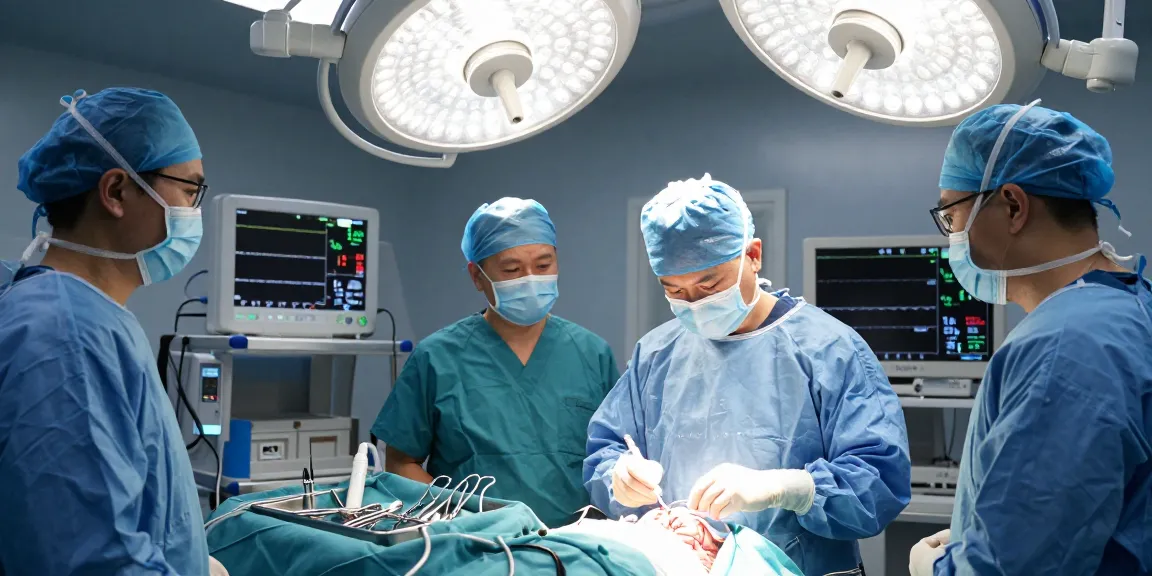
Understanding Brain Surgery
Brain surgery is a complex and vital procedure that addresses various critical neurological conditions, such as brain tumors, hemorrhages, and trauma. With advancements in medical technology, the landscape of brain surgery has evolved tremendously, enabling safer and more effective interventions. Many patients facing potential brain surgery often have numerous questions and concerns regarding the processes involved, the potential risks, and the expected outcomes. When exploring options, Beyin ameliyatı provides comprehensive insights into what patients can expect before, during, and after surgery.
What is Brain Surgery?
Brain surgery, also known as neurosurgery, is a specialized field that involves surgical interventions to treat a range of conditions affecting the brain and nervous system. The primary goal of brain surgery is to alleviate symptoms, remove tumors, repair damaged tissues, or address issues such as bleeding or abnormal blood vessel formation. Neurosurgeons utilize a variety of surgical techniques, including open surgeries, minimally invasive procedures, and innovative technologies like robotic-assisted surgery.
Types of Brain Surgery Procedures
There are several types of brain surgeries, each tailored to address specific problems. Some of the most common procedures include:
- Craniotomy: This involves temporarily removing a section of the skull to access the brain. It’s often used for tumor removal, treatment of brain hemorrhages, and to relieve pressure from swelling.
- Endoscopic Surgery: This minimally invasive procedure uses a small camera and tools inserted through narrow openings, such as the nose. It is commonly used for pituitary tumors.
- Awake Craniotomy: Patients remain awake during specific parts of the surgery, allowing the surgeon to monitor critical brain functions and ensure that vital areas are not affected.
- Vascular Surgery: Addressing vascular malformations such as arteriovenous malformations (AVMs) or aneurysms often requires intricate vascular surgery.
The Importance of Brain Surgery in Neuroscience
Brain surgery plays a crucial role in modern neuroscience. With rising incidences of neurological disorders, timely surgical interventions can significantly enhance patient outcomes. Neurosurgeons not only focus on immediate solutions but also on improving the long-term quality of life for patients. Through careful diagnosis and advanced surgical techniques, many individuals who undergo brain surgery can expect improved neurological function and overall health restoration.
Preparing for Brain Surgery
Preoperative Assessment and Consultation
Preparing for brain surgery begins with a thorough preoperative assessment. This includes a detailed consultation where the neurosurgeon reviews the patient's medical history, conducts a physical examination, and orders imaging studies such as MRI or CT scans. These steps are essential for diagnosing the condition accurately and determining the most appropriate surgical approach.
Understanding Surgical Techniques and Options
Patients should be well-informed about the various surgical techniques available. Understanding options helps in making educated decisions alongside their medical teams. Discussion around the benefits and risks of each technique will ensure that patients can align their expectations with clinical realities. Knowledge about recovery processes and potential complications is equally crucial.
Managing Patient Expectations Before Surgery
Managing expectations is vital for patients undergoing brain surgery. Realistic understanding of the recovery timeline, potential outcomes, and risks involved can alleviate anxieties. Neurosurgeons often provide detailed insights into what patients can anticipate both during the procedure and in the subsequent recovery phase to foster better psychological readiness.
Risks and Benefits of Brain Surgery
Potential Complications of Brain Surgery
Like any surgical procedure, brain surgery carries inherent risks and potential complications. Common complications include:
- Infection at the surgical site
- Bleeding, which may require further surgical intervention
- Neurological deficits, such as weakness or speech issues
- Seizures post-surgery
Being aware of these risks helps patients and their families prepare and take necessary precautions during recovery.
Success Rates and Patient Outcomes
The success rates of brain surgery have improved dramatically due to advancements in technology and techniques. Factors influencing success rates include the type of surgery, the patient's overall health, and the severity of their condition. Many patients experience significant improvements in symptoms, quality of life, and functional capabilities after successful brain surgery.
Long-Term Benefits of Brain Surgery
In many cases, patients who undergo brain surgery benefit from long-term relief from debilitating symptoms. Successful tumor removals, alleviation of pressure on brain structures, and resolution of vascular issues can lead to substantially enhanced quality of life. Moreover, ongoing follow-up with healthcare professionals ensures continuous support and management of any long-term effects.
Postoperative Care and Recovery
The Brain Surgery Recovery Process
Recovery from brain surgery can vary greatly among individuals depending on the surgical procedure and overall health. Typically, recovery begins in the intensive care unit, where patients are closely monitored for complications. As they stabilize, they are transferred to a regular hospital room for further recovery.
Common Recovery Challenges
Some common challenges faced during recovery include:
- Fatigue and weakness
- Headaches that can last for days or weeks
- Cognitive changes, such as memory issues or difficulty concentrating
- Emotional fluctuations or mood changes
Supportive care during this period is crucial to assist patients in overcoming these hurdles.
Rehabilitation and Support After Surgery
Rehabilitation is often a necessary component of recovery after brain surgery. Physical, occupational, and speech therapy can help patients regain lost functions and adapt to changes. Multidisciplinary teams comprising neurologists, therapists, and nurses work collaboratively to provide personalized rehabilitation plans, incorporating emotional support and counseling as needed.
The Future of Brain Surgery
Innovative Techniques in Neurosurgery
The field of neurosurgery is evolving rapidly with the integration of innovative techniques. Robotic surgical systems, enhanced imaging techniques, and artificial intelligence are transforming how brain surgeries are performed, allowing for greater precision and safety.
The Role of Technology in Improving Outcomes
Technology plays a pivotal role in improving surgical outcomes through enhanced visualization and navigation capabilities. Tools such as intraoperative MRI and neuronavigation systems guide surgeons in real-time, facilitating better decision-making during the surgery.
Predicted Trends for Brain Surgery in 2026
Looking ahead to 2026, trends indicate an increased focus on minimally invasive techniques and personalized medicine tailored to individual patient needs. For more information, Beyin ameliyatı offers valuable insights. With ongoing research and development, the future of brain surgery promises to deliver even more effective interventions with fewer complications, ultimately enhancing the quality of care for patients worldwide.