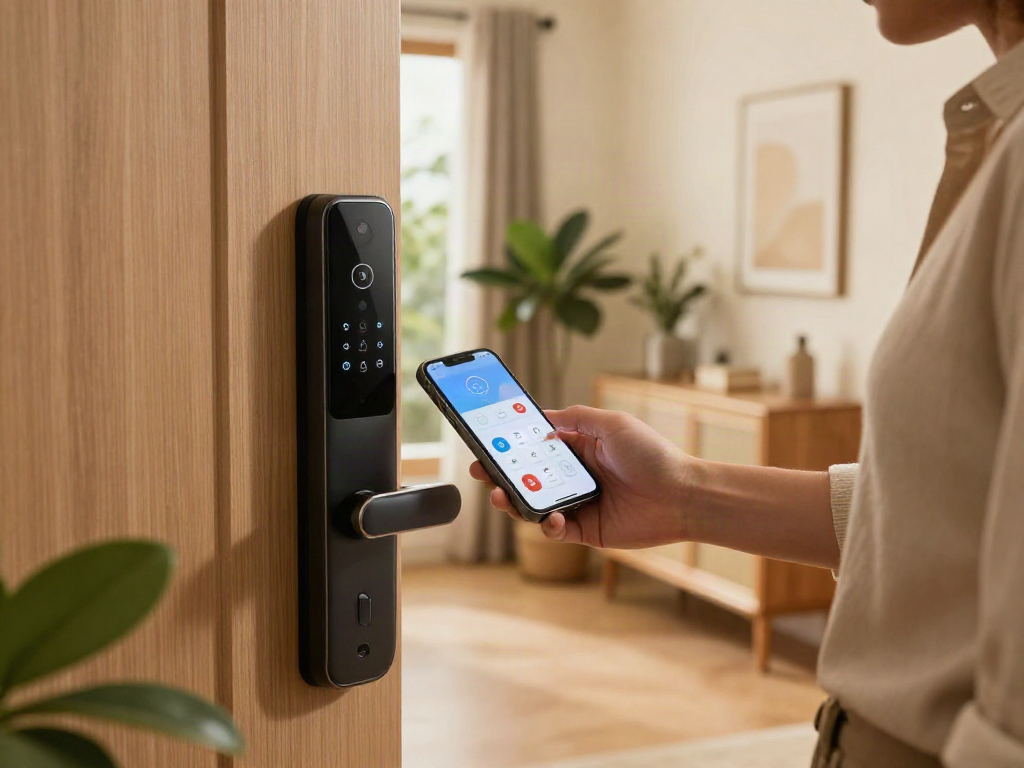
Understanding the Benefits of قفل هوشمند
In an age where ensuring home security is paramount, قفل هوشمند has emerged as a game-changer. These digital locks offer convenience, advanced technology, and enhanced security measures that traditional locks simply cannot match. As homes become smarter, understanding how these locks function and their benefits becomes crucial for homeowners looking to upgrade their security solutions.
What is a Smart Lock?
A smart lock is an electronic locking device that allows users to secure or access their homes through a smartphone app, key fob, or keypad, rather than traditional keys. Smart locks can interface with various smart home systems and often come equipped with technologies such as Wi-Fi, Bluetooth, or Z-Wave, allowing remote access and monitoring. This modern approach to home security provides the flexibility to control who has access to your home and when, all from the convenience of your mobile device.
Key Features of قفل هوشمند
- Remote Access: Many smart locks can be controlled remotely, allowing homeowners to lock or unlock doors from anywhere.
- Temporary Access Codes: Users can create unique access codes for guests or service personnel, ensuring security and convenience.
- Activity Log: Most smart locks keep a record of who accessed your home and when, enhancing security through transparency.
- Integration with Smart Home Devices: Smart locks can connect with other smart home systems, enabling users to automate their home security.
How Smart Locks Enhance Home Security
Smart locks significantly improve home security through various advanced features. Unlike traditional locks, which can be picked or bumped, many smart locks incorporate encryption and other security protocols to safeguard against unauthorized access. Additionally, they can send alerts to homeowners’ smartphones if someone attempts to tamper with the lock, providing an extra layer of protection. Furthermore, the ability to manage access permissions means homeowners can ensure that only trusted individuals can enter their home, which is particularly valuable for short-term rentals or when multiple people need access.
Choosing the Right قفل هوشمند: A Guide
When it comes to selecting the ideal smart lock for your home, several factors must be considered to ensure you make a well-informed decision. Whether you are looking for enhanced security features or simple convenience, understanding the options available will help you choose a smart lock that perfectly fits your needs.
Factors to Consider When Selecting a Smart Lock
- Compatibility: Ensure the smart lock is compatible with your existing door hardware and smart home ecosystem.
- Power Source: Consider whether the lock is battery-operated or hardwired; battery-operated locks offer flexibility while hardwired locks may provide uninterrupted power.
- Security Features: Look for locks that include features such as two-factor authentication, tamper alerts, and built-in alarms.
- Ease of Installation: Some smart locks can be installed by the user without professional help, while others may require installation by a technician.
Comparing Different Brands and Models
The market for smart locks is diverse, with numerous brands offering various features. For example, brands like August, Schlage, and Yale each provide distinct features that cater to specific needs. It's essential to read reviews and compare functionalities to find a model that aligns with your security requirements and lifestyle. Pay attention to the app interface, customer support, and warranty when evaluating these brands.
User Reviews: What to Look For
User reviews can be a valuable resource when selecting a smart lock, as they often highlight practical experiences that specifications alone may not convey. Look for comments on the installation process, ease of use, reliability, and customer service. Additionally, check for patterns in feedback, such as recurring issues or praises that can guide your decision-making process.
Common Misconceptions about قفل هوشمند
As smart locks gain popularity, several misconceptions arise that can deter potential users. Understanding these myths is essential for making an informed choice about home security.
Debunking Myths: Are Smart Locks Safe?
One common myth is that smart locks are inherently unsafe due to potential hacking risks. While security vulnerabilities can exist, reputable smart lock manufacturers continuously update their software to address these concerns. Additionally, using strong passwords and enabling two-factor authentication can further enhance security, making smart locks as secure, if not more secure, than traditional locks.
Understanding Smart Lock Limitations
Smart locks, while convenient, come with limitations. For instance, they typically rely on batteries, which can die unexpectedly, leaving you locked out. It's crucial to have a backup key or battery replacement strategy to mitigate this risk. Moreover, certain smart locks may not function well in extreme weather conditions, which is something to consider based on your geographic location.
Real-life Case Studies: Successes and Failures
There have been numerous instances where smart locks have vastly improved security for homeowners, such as in the case of a homeowner who successfully managed their rental property using a smart lock that allowed for temporary access codes. Conversely, instances of malfunctions due to dead batteries can create challenges for users who do not prepare adequately. Learning from these experiences can offer valuable insights into best practices for using smart locks.
Installation and Setup of قفل هوشمند
Installing a smart lock can be straightforward, but it’s important to follow the right steps to avoid common pitfalls. Below is a general overview of how to install a smart lock correctly.
Step-by-Step Installation Guide
- Remove the Existing Lock: Start by removing your traditional lock and hardware from the door.
- Install the Smart Lock Mechanism: Follow the manufacturer's instructions to install the new smart lock mechanism into the door.
- Attach the Keypad or Smart Features: If your smart lock has a keypad or fob, attach these components according to the instructions.
- Connect to Your Smart Device: Download the companion app and connect your smart lock to your home network.
Common Installation Mistakes to Avoid
Some common mistakes include failing to follow the manufacturer's instructions closely, neglecting to check compatibility with your door, and forgetting to secure all screws properly. These oversights can result in a malfunctioning lock that compromises your security.
How to Connect Your Smart Lock to Home Devices
Integrating your smart lock with other smart home devices can enhance its functionality significantly. Most smart locks will connect to your home Wi-Fi network via the companion app, and from there, you can link it with devices like smart cameras, alarms, and home assistants like Amazon Alexa or Google Assistant, allowing for seamless automation and control.
The Future of قفل هوشمند in Home Automation
The future of smart locks looks promising, especially with the ongoing advancements in technology and home automation. As more homes adapt to smart solutions, the evolution of smart locks will likely continue, offering enhanced features and integration capabilities.
Emerging Trends in Smart Lock Technology
Trends such as biometric access, which utilizes fingerprint or facial recognition, are becoming more common. Additionally, the integration of artificial intelligence for improved access control and monitoring will likely enhance user experience significantly, making smart locks more intuitive and secure.
Future Predictions: Smart Home Integrations
As the smart home ecosystem expands, future smart locks will likely offer greater compatibility with a variety of devices, creating an even more cohesive user experience. Predictions suggest that features such as geofencing, where locks automatically unlock as you approach home, will become standard in the coming years.
Expert Insights: Adapting to New Technologies
Experts in the field advise homeowners to stay informed about new developments in smart lock technology and to consider upgrades as security threats evolve. Regular updates, security patches, and understanding how to adapt these technologies will be crucial for maintaining an effective home security system.
What are the top features to look for in a smart lock?
When selecting a smart lock, look for features such as remote locking, temporary access codes, an activity log, and compatibility with your specific smart home devices to ensure a seamless experience.
How do قفل هوشمند compare with traditional locks?
Smart locks offer superior flexibility and convenience compared to traditional locks, as they can be controlled remotely and provide detailed access logs, something traditional locks cannot do.
Are there any security risks associated with smart locks?
While smart locks do present unique challenges, such as potential hacking risks, proper installation, and configuration can mitigate these risks significantly.
What is the installation process like for a smart lock?
The installation process typically involves removing your existing lock, following manufacturer instructions for installing the new lock, and connecting it to your home network through a companion app.
How do smart locks integrate with home automation systems?
Smart locks can be integrated with home automation systems via Wi-Fi or Bluetooth, allowing users to create routines and automate their security processes alongside other smart devices.