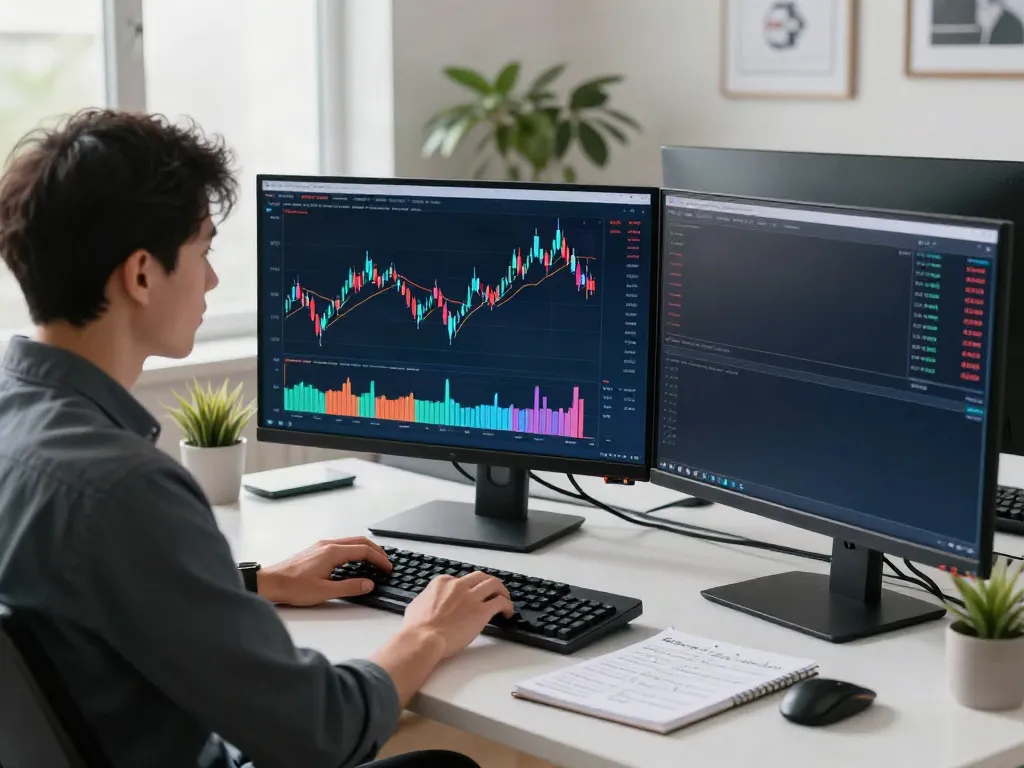
Understanding Real-Time Stock APIs and Their Benefits
In an increasingly digital and fast-paced world, the significance of real-time financial data cannot be overstated. As blockchain technology continues to reshape financial services, the demand for reliable, accurate, and instantaneous stock data is higher than ever. Real-Time Stock APIs, such as the ones offered by iTick, provide the fundamental infrastructure that enables developers, traders, and institutions to stay ahead in the stock market. When exploring options, 交易所行情数据API provides comprehensive insights and tools that cater to various needs, whether it's quantitative trading or investment research.
What is a Stock API?
A Stock API (Application Programming Interface) is a set of protocols that allow applications to communicate with stock market data providers to fetch real-time information. Stock APIs enable users to access live prices, order books, historical data, and trading functionalities directly through their applications. The integration of these APIs allows developers to create sophisticated trading platforms, analytical tools, and automated trading systems.
The Importance of Real-Time Data
The stock market operates on speed and precision; thus, real-time data is vital for making informed trading decisions. With stock prices constantly fluctuating, the difference of mere seconds in data retrieval can significantly affect trading outcomes. Real-time stock data empowers traders to react swiftly to market changes, capitalize on emerging opportunities, and implement effective risk management strategies. Furthermore, real-time APIs allow for the extraction of K-line charts and order books, essential for technical analysis in quantitative trading.
Comparing Stock APIs: Features and Advantages
When choosing a Stock API, several factors come into play, including data coverage, latency, protocol support, and pricing. iTick's Stock API stands out by providing access to over 50 global exchanges, covering major markets such as A-shares, Hong Kong stocks, and U.S. stocks. This comprehensive scope, coupled with its robust RESTful and WebSocket support, gives traders a distinctive edge. Moreover, iTick's competitive pricing model ensures that fintech startups, research institutions, and seasoned traders can leverage high-quality data without breaking the bank.
Market Insights: A-Shares, HK Stocks, and US Stocks
Overview of A-Shares Market Dynamics
A-Shares represent Chinese companies listed in mainland China's stock exchanges, primarily the Shanghai Stock Exchange (SSE) and the Shenzhen Stock Exchange (SZSE). These stocks are only available to Chinese residents in the domestic market but have seen increased accessibility through foreign investment schemes. A-shares are characterized by their unique dynamics influenced by local economic factors, regulatory updates, and investor sentiment largely driven by retail investors. Understanding these elements is crucial for leveraging trading strategies that utilize A-share data.
Understanding HK Stocks and Their Regulatory Environment
Hong Kong stocks are governed by one of the most prestigious stock exchanges, the Hong Kong Stock Exchange (HKEX). The market benefits from a robust regulatory framework that adheres to international standards, allowing for transparency and investor protection. HK stocks generally attract a wealth of foreign investment due to Hong Kong's status as a financial hub. It's essential for traders and developers to stay informed about the regulatory changes and compliance requirements that may impact trading strategies leveraging HK stock data.
Key US Stock Market Trends and Analysis
The U.S. stock market remains one of the largest and most influential in the world, with trends often setting the pace for international markets. Recent years have highlighted significant shifts toward technology stocks and ESG (Environmental, Social, Governance) investing. Moreover, the rise of retail trading facilitated by commission-free trading platforms has transformed market dynamics. Understanding these trends through real-time data analysis is paramount for devising informed trading strategies and optimizing investment portfolios.
How to Integrate Stock APIs into Trading Platforms
Choosing the Right API for Your Needs
Integrating a Stock API into your trading platform begins with assessing your specific needs—be it for high-frequency trading, automated systems, or custom dashboards. Consider key attributes such as data accuracy, uptime guarantees, and latency when selecting an API provider. Additionally, API ecosystems that support both historical data and real-time feeds can significantly enhance your trading capabilities, allowing for more comprehensive analysis.
Technical Integration Steps and Best Practices
To properly integrate a Stock API, it entails several steps: setting up authentication with API keys, implementing RESTful calls or WebSocket connections, and handling response data efficiently. Developers should use libraries compatible with their programming environment to facilitate integration. It's also advisable to incorporate error-handling mechanisms to manage connection failures and API limit breaches effectively. Furthermore, maintaining clear documentation of API interactions is critical for future maintenance and scalability.
Maintaining API Security and Compliance
API security is an essential facet of integration, especially when dealing with sensitive financial data. Employ strategies like encrypting API keys, utilizing secure transport protocols (HTTPS), and implementing IP whitelisting. Compliance with relevant data regulations ensures the ethical use of users' data, preventing potential legal implications. Regular updates and audits on API transactions can bolster security efforts, minimizing risks associated with crypto and trading data vulnerabilities.
Maximizing Trading Strategies with Real-Time Data
Utilizing Historical Data for Market Predictions
Historical data has a profound influence on predictive market analysis, serving as the bedrock of technical analysis. Utilizing patterns from historical stock prices, volume trends, and macroeconomic indicators can significantly improve prediction accuracy. Traders can use this data to refine their strategies, identify potential reversals, and make data-driven decisions. Combining historical insights with real-time data creates an advantageous position for foreseeing market movements.
Building Automated Trading Bots with API Data
Automated trading using bots can enhance trading efficiency and maximize the potential for profits. By integrating a Stock API, developers can program bots to analyze real-time data, execute trades based on predefined algorithms, and manage investment portfolios without human intervention. It's important to incorporate robust risk management protocols in automated systems to avoid overexposure to market volatilities.
Risk Management Strategies for Active Traders
Risk management is fundamental for sustaining success in trading. Strategies such as setting stop-loss and take-profit orders can help protect investments from significant losses. Active traders should also diversify their portfolios to distribute risk across various assets. Educating themselves on market cycles and employing sentiment analysis tools can assist traders in understanding when to enter or exit positions based on emotional market cues.
Future Trends in Stock Data APIs and Fintech
Emerging Technologies in Financial Data Services
The landscape of financial data services is continually evolving, with technologies such as artificial intelligence (AI) and machine learning (ML) beginning to play pivotal roles in market analysis. These tools can analyze vast amounts of data more efficiently than traditional methods, providing insights and predictions that can enhance trading strategies. In addition, the rise of blockchain technologies signals a shift towards decentralized finance (DeFi), where distributed ledger technology offers transparency and security in trading practices.
Regulatory Changes Impacting Stock Data Providers
As stock trading becomes increasingly digitized, regulatory landscapes are evolving to oversee emerging technologies within the financial sector. Upcoming regulations, including anti-money laundering (AML) and know your customer (KYC) frameworks, aim to ensure the integrity of the trading ecosystem. Data providers will need to implement compliance measures to align with these changes to offer secure services effectively.
Insights on Future Investment Strategies for 2026
Looking ahead to 2026, investors may experience heightened volatility due to economic variations and regulatory adaptations. Strategies that focus on long-term asset accumulation, sustainable investing, and perusing tokenized assets will become prevalent. As traditional finance intersects with blockchain technology, investments in hybrid financial instruments may become a more viable option. Familiarizing oneself with both traditional and DeFi strategies will equip investors to navigate the complexities of future markets.
What are Stock APIs and Their Use Cases?
Stock APIs serve numerous functions beyond mere data retrieval. They are integrated into trading platforms for real-time execution of orders, utilized in fintech applications for investment analysis, and leveraged by researchers to study market trends. Moreover, developers are increasingly using Stock APIs to build complete ecosystems around automated trading, portfolio management, and risk assessment, resulting in dynamic and responsive financial solutions.
How to Choose the Right API for Your Trading?
The optimal choice of Stock API depends on a firm's unique operational requirements and market focus. Users should evaluate latency rates, coverage of desired markets (i.e., A-shares, HK stocks, US stocks), cost structures, and customer support services. Investigating user reviews and conducting trial periods can provide valuable insights and aid in the decision-making process.
What are the security measures for API integration?
Sophisticated security measures must be implemented during API integration. These include using secure API keys, applying rate limiting to deter denial-of-service attacks, and employing encryption to protect sensitive data. Additionally, implementing multi-factor authentication (MFA) enhances the security framework, mitigating unauthorized access risks. Regular audits of API interactions not only fortify security postures but also encourage compliance with data regulations.
How to analyze stock data for investment decisions?
An effective analysis of stock data requires blending technical analysis and fundamental analysis. Traders can leverage tools such as moving averages, Relative Strength Index (RSI), and candlestick patterns to identify trading opportunities. Fundamental aspects including company financials, market news, and economic indicators add essential layers to decision-making processes. The integration of both methodologies provides a more holistic view of the market landscape.
What future trends to expect in trading APIs?
The future of trading APIs is poised for innovation, particularly with the advancement of decentralized platforms. As the popularity of blockchain and DeFi rises, users can expect APIs that offer cross-chain compatibility and interoperability with smart contracts. Furthermore, with the growth of machine learning applications within finance, APIs that provide predictive analytics and automated decision-making insights will gain traction, enhancing the trading experience.
Regulatory & Legal Compliance
Investment Disclaimers
As in any investment strategy, readers must be aware of the risks. Cryptocurrency investments carry high risk and volatility, and past performance does not guarantee future results. This article is not financial advice - DYOR (Do Your Own Research). It’s crucial to consult with a qualified financial advisor before making any investment, and only invest what you can afford to lose.
2026 Regulatory Landscape
The regulatory landscape for cryptocurrency and stock trading will witness significant transformations leading up to 2026, with agencies like the SEC and CFTC enhancing their oversight. The implementation of MiCA (Markets in Crypto-Assets) regulations in Europe aims to create a unified framework in the EU. Therefore, comprehensive knowledge of AML and KYC requirements is essential for traders and developers alike.
Legal Considerations
Understanding the distinction between securities and utility tokens is vital for legal compliance within crypto markets. Moreover, cross-border regulations may impact transactions that involve international clientele and funds. It is recommended that projects maintain a robust legal framework to address these complexities adequately.
Security Threats & Risk Management
Common Security Threats
With the rise of digital finance, security threats have also proliferated. Phishing attacks prey on unsuspecting users through fake websites designed to steal credentials. Sim-swap attacks and malware also pose significant risks to account security. By familiarizing oneself with these threats, traders can take proactive measures to protect their investments.
Risk Mitigation Strategies
Employing due diligence checklists assists investors in identifying red flags and evaluating the credibility of projects. Verifying smart contracts through independent audits can greatly minimize risks of vulnerability exploits. Investors are encouraged to adopt a cautious and gradual investment approach, using emergency exit strategies to navigate unexpected market movements.
Content Quality & Depth
In the rapidly evolving world of cryptocurrencies and stock trading, the need for well-researched and informative resources has never been more critical. This comprehensive guide provides valuable insights and technical depth that cater to both novice and experienced traders. By offering actionable strategies alongside current market trends, we aim to empower readers to identify opportunities, understand risks, and navigate their investment journeys effectively.